Dr. Sanatan Satapathy
Senior Consultant Neurosurgeon & Advanced Endoscopic Spine Surgeon
Neurosurgeon & Spine Surgeon in Bhubaneswar
Dr. Sanatan Satapathy provides brain and spine care in Bhubaneswar, Odisha, with a focus on endoscopic spine surgery, minimally invasive procedures and individualized treatment.
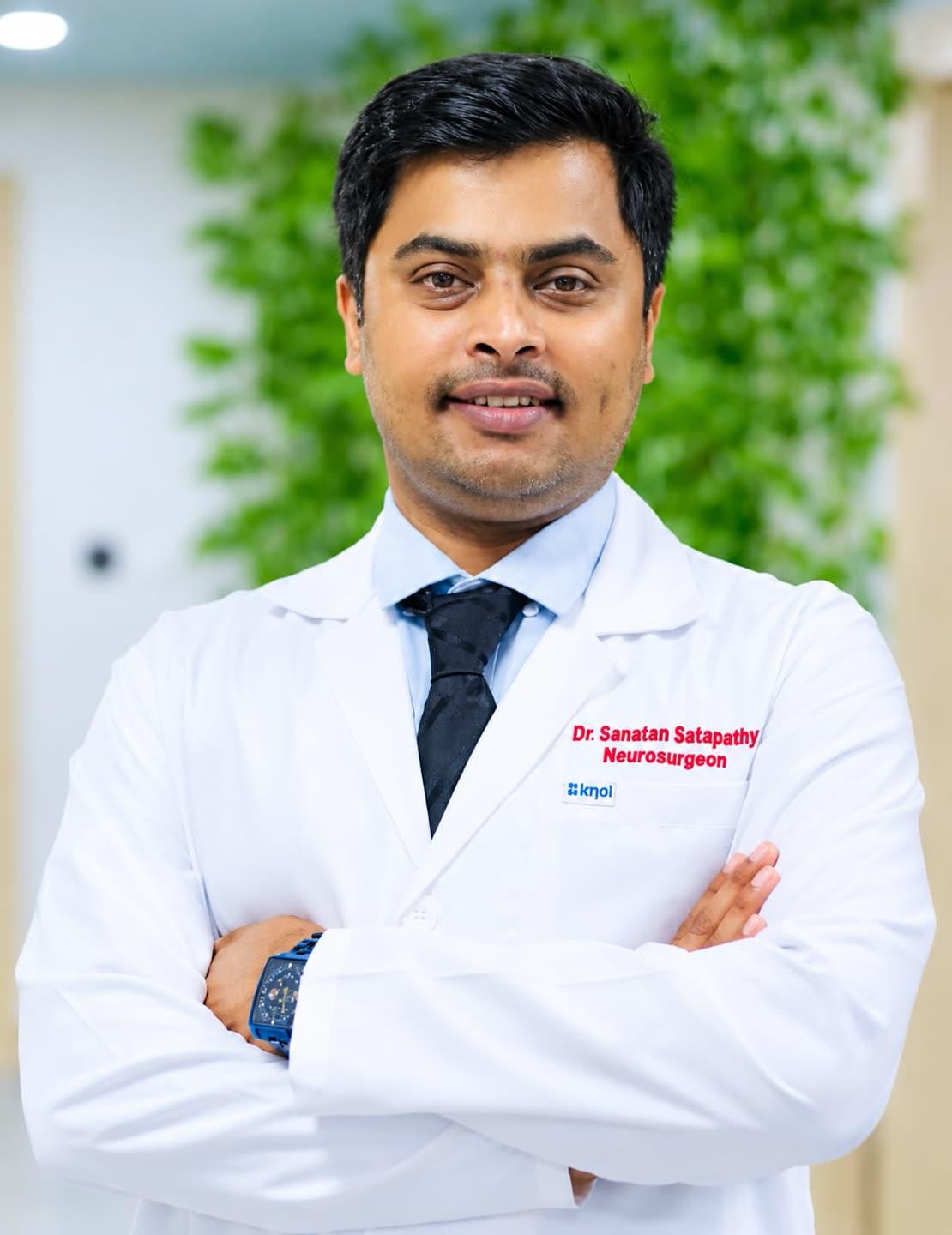
Dr. Sanatan Satapathy
MBBS, MS, MCh (Neurosurgery)
Senior Consultant Neurosurgeon & Advanced Endoscopic Spine Surgeon
Super Speciality
MCh Neurosurgery
SCB Medical College, Cuttack
Advanced Training
Microsurgery & Spine
AIIMS New Delhi & Fellowships
Recognition
Times Health Icon 2024
Neurosurgery & Spine Excellence
Hospital Affiliation
MAX Super Speciality Hospital
Formerly Kalinga Hospital, Bhubaneswar
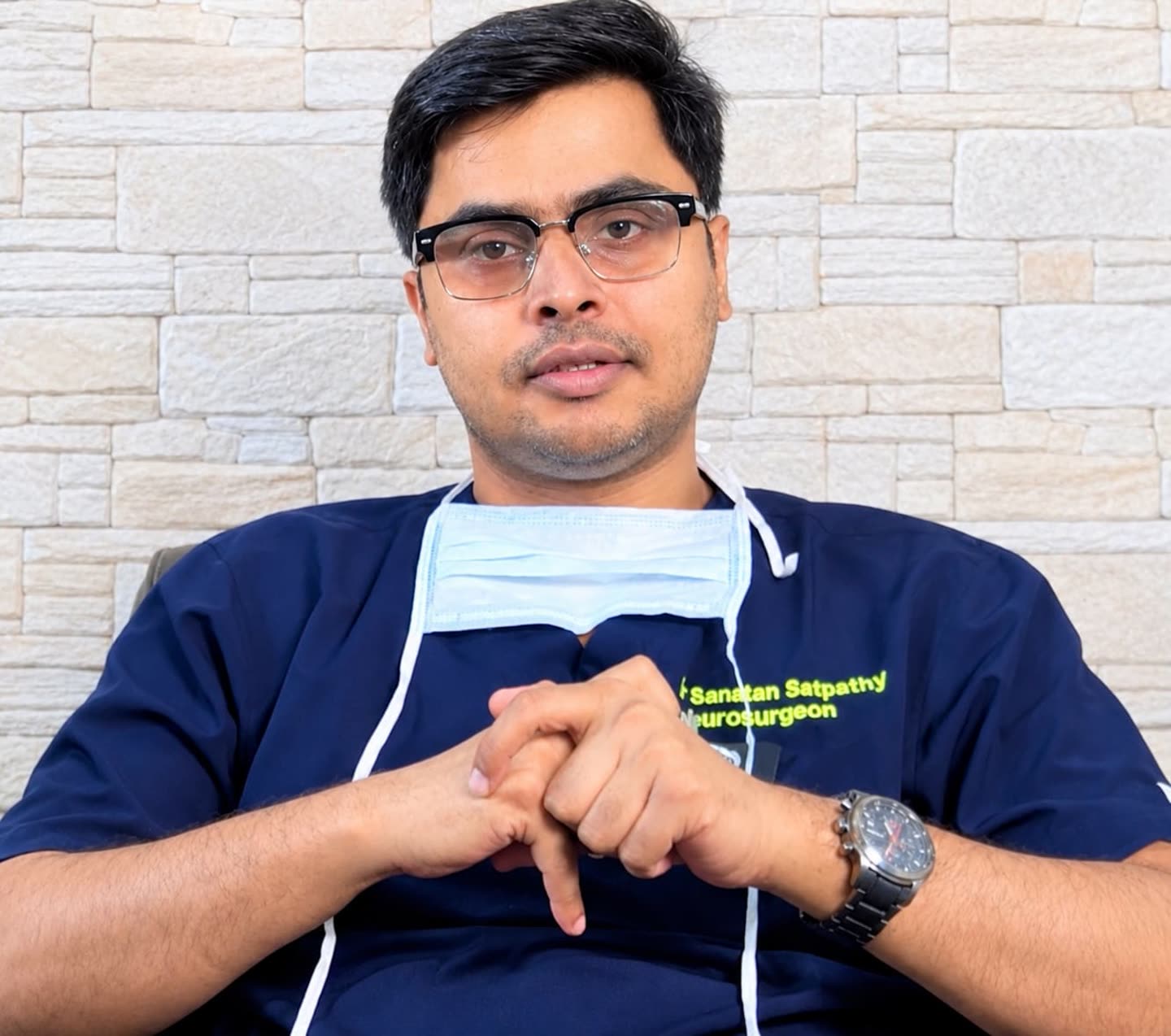
Dr. Sanatan Satapathy
Consultant Neurosurgeon & Advanced Spine Surgeon, Bhubaneswar
Expertise Guided by Precision and Compassion.
Navigating complex neurological and spinal symptoms can be profoundly overwhelming for patients and their families. Dr. Sanatan Satapathy believes that surgical excellence begins with listening closely, understanding how pain alters daily living, and explaining radiological findings with complete transparency.
Having earned his super-speciality MCh in Neurosurgery from SCB Medical College, Cuttack, followed by advanced microsurgical training at AIIMS New Delhi, Dr. Satapathy combines time-tested surgical discipline with modern minimally invasive and endoscopic procedures.
His clinical philosophy is grounded in restraint: surgical intervention is recommended only when conservative medical avenues have been exhausted or when acute neural compression demands immediate decompression.
Over 85% of back and neck complaints are guided through targeted rehabilitation.
Employing endoscopic cameras and microscopic corridors that protect normal muscle.
Specializations & Surgical Services
Dr. Sanatan Satapathy provides advanced cranial, endoscopic spine, and specialized neurosurgical procedures in Bhubaneswar. Card images are illustrations.
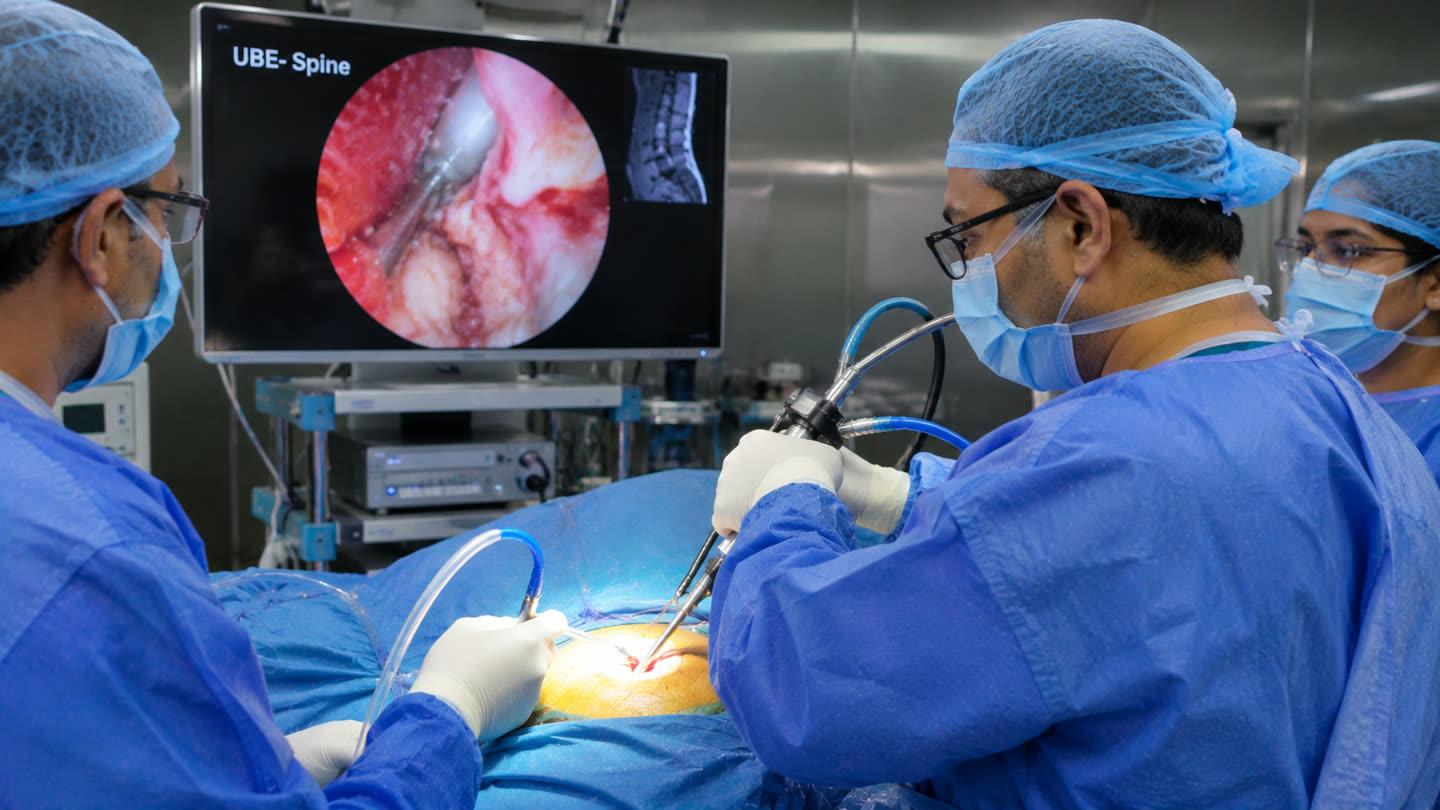
Endoscopic Spine Surgery (UBE)
ExploreExplore Procedure Details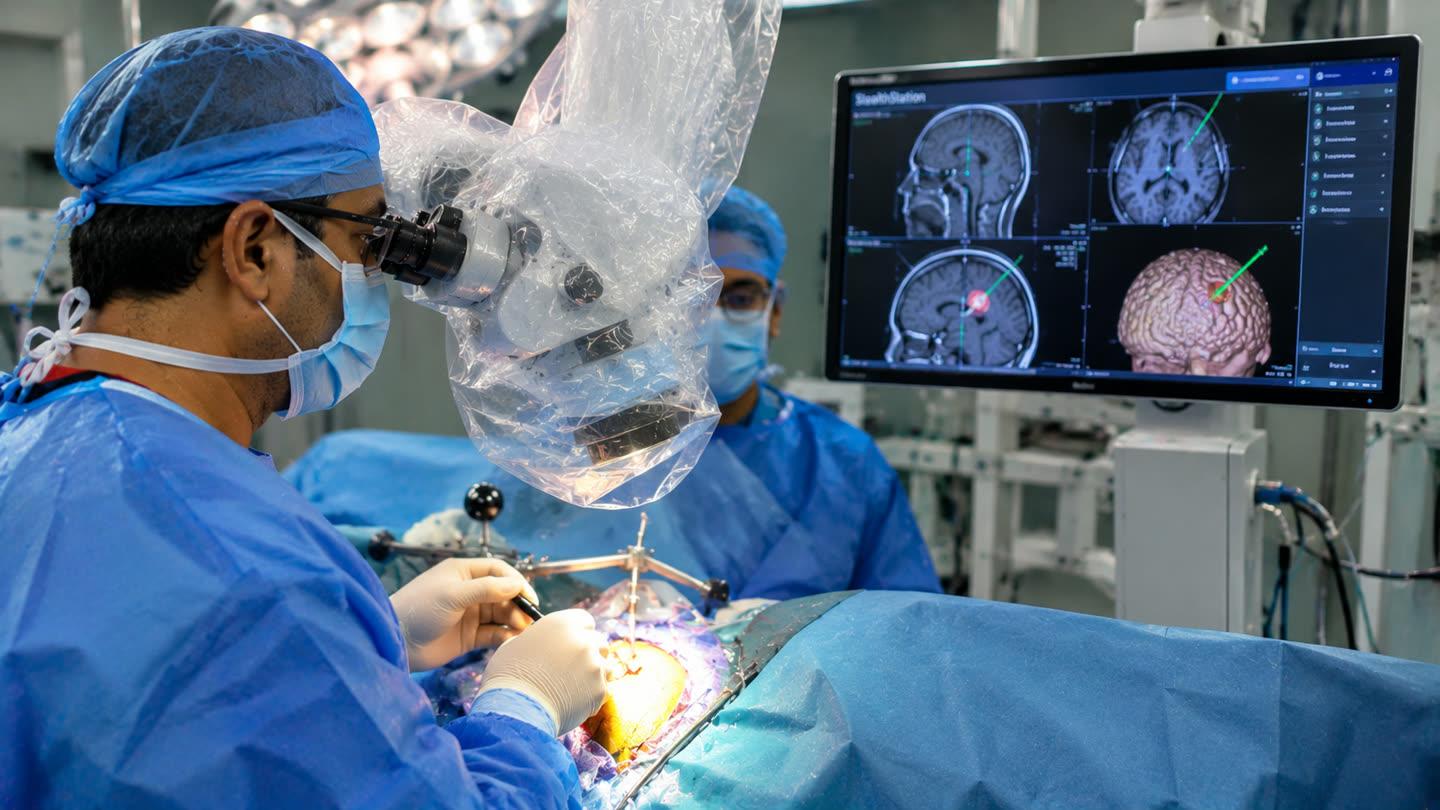
Brain Tumor Surgery
ExploreExplore Procedure Details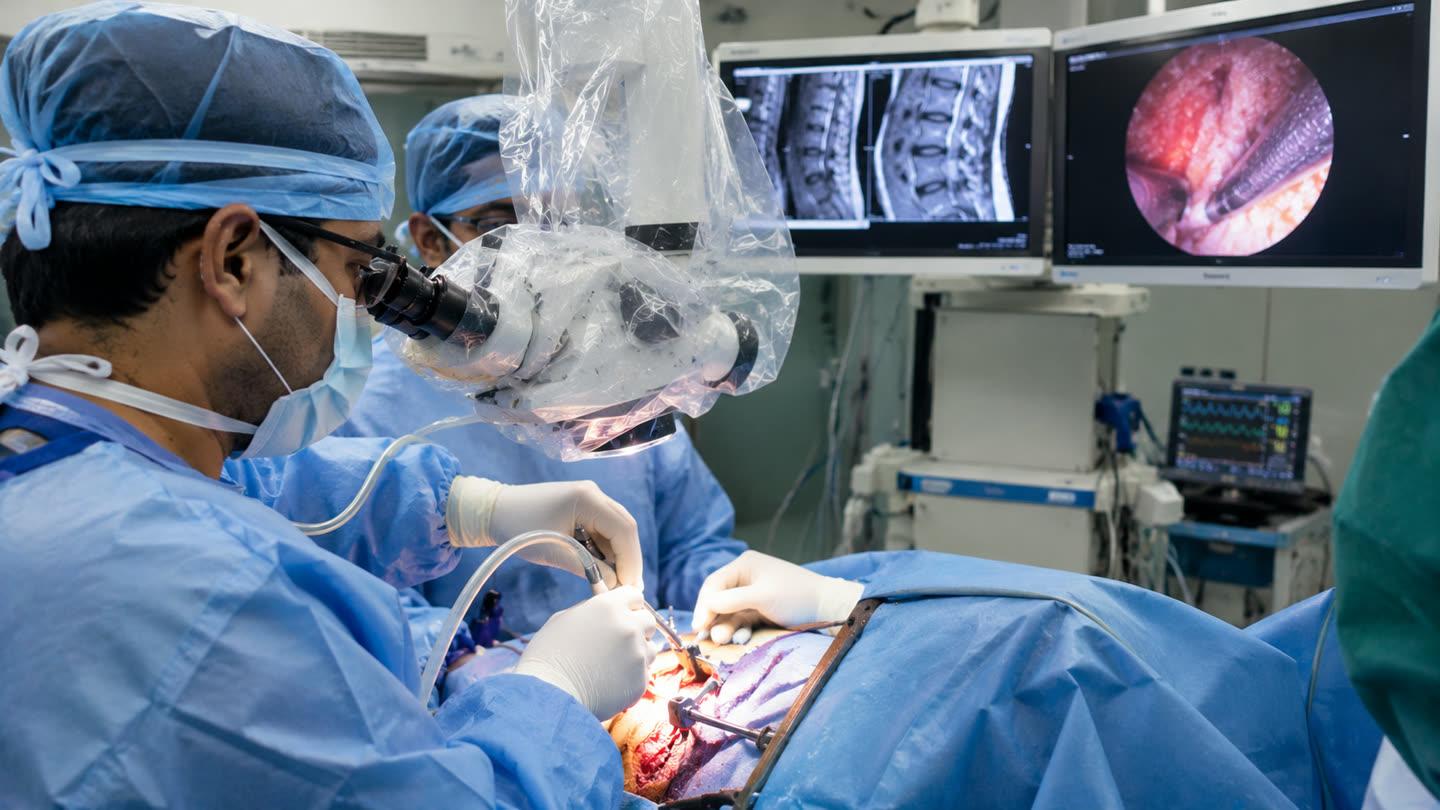
Spine Tumor Surgery
ExploreExplore Procedure Details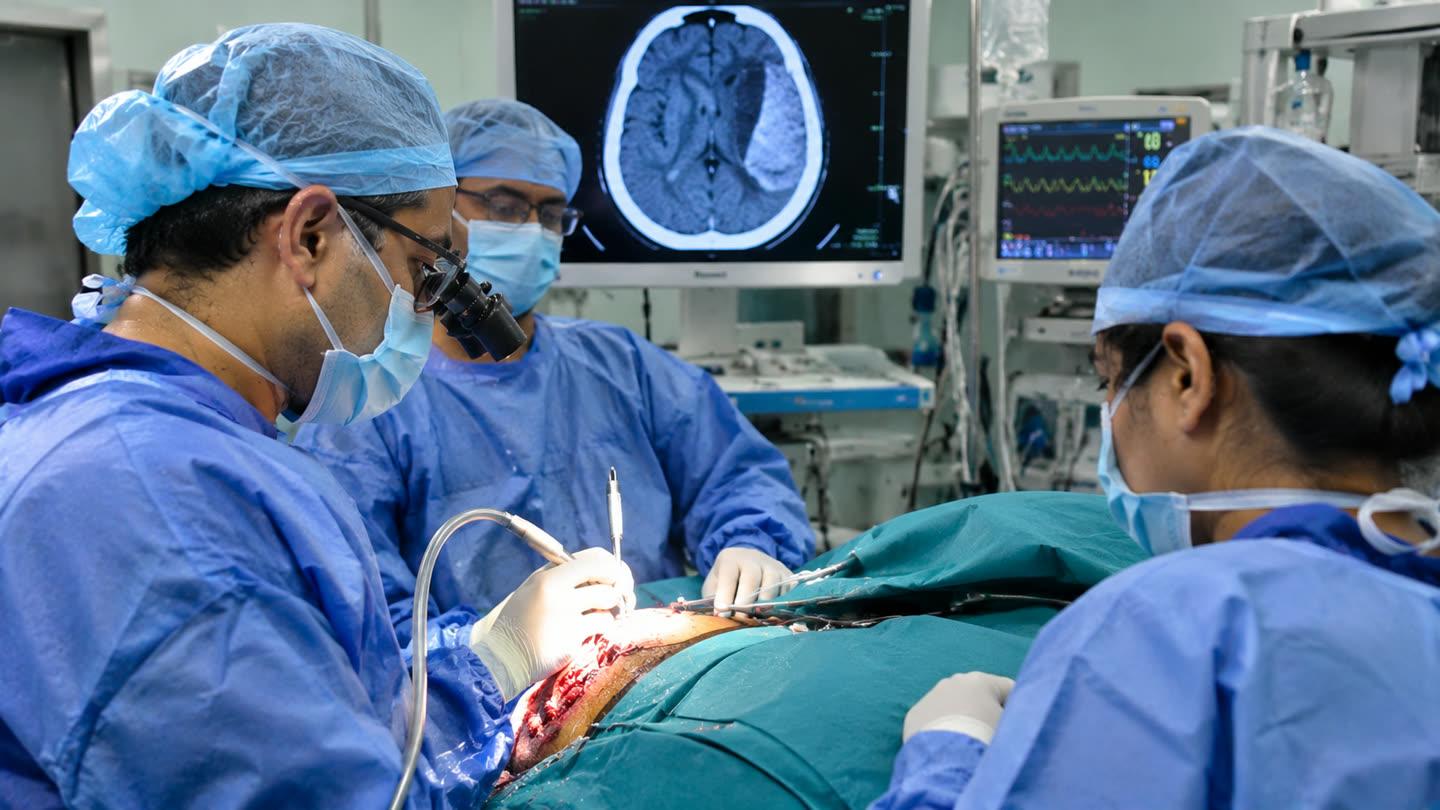
Brain Trauma Surgery
ExploreExplore Procedure Details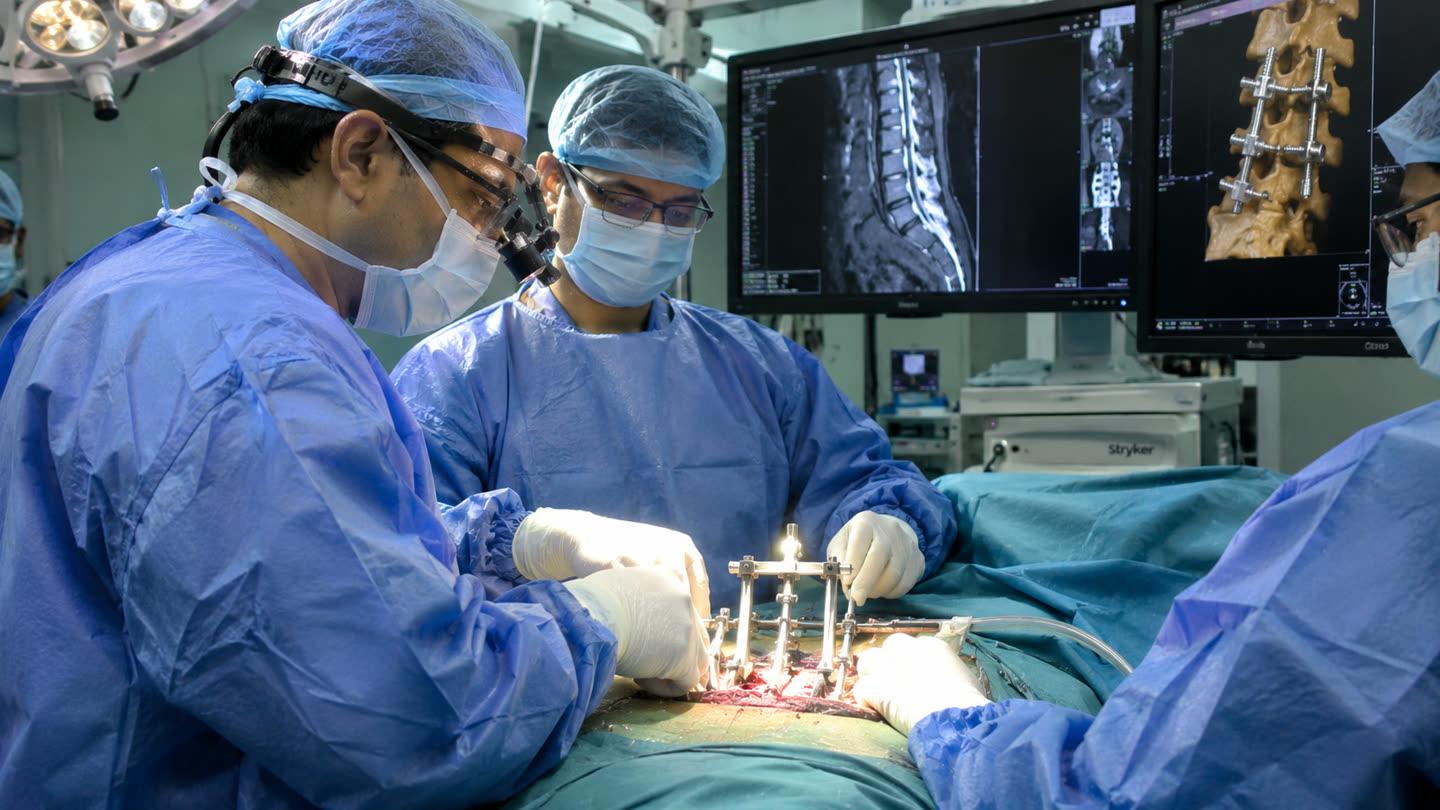
Spine Trauma Surgery
ExploreExplore Procedure Details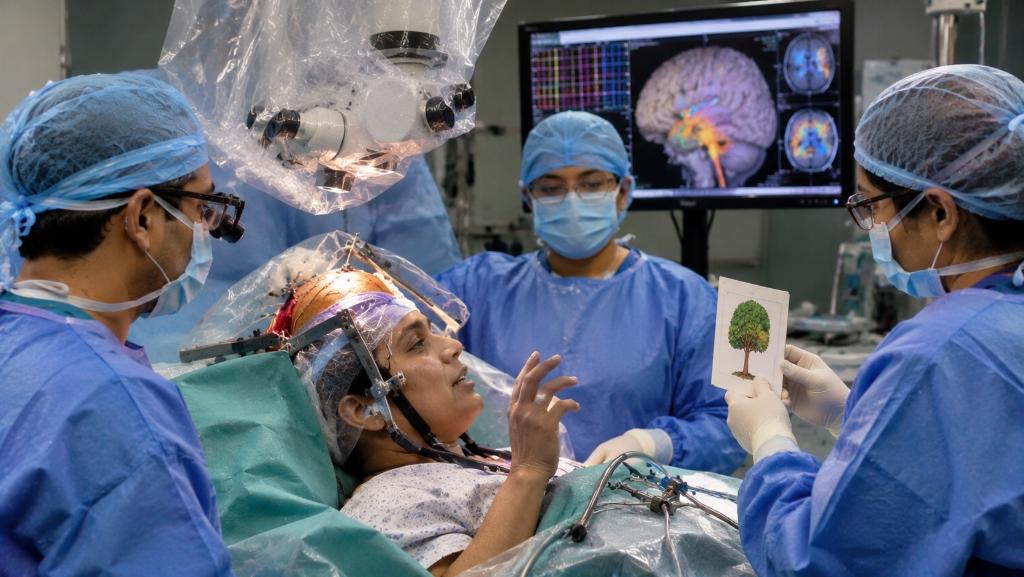
Awake Craniotomy in Bhubaneswar
ExploreExplore Procedure DetailsNeuronavigation-Guided Brain & Spine Surgery
ExploreExplore Procedure Details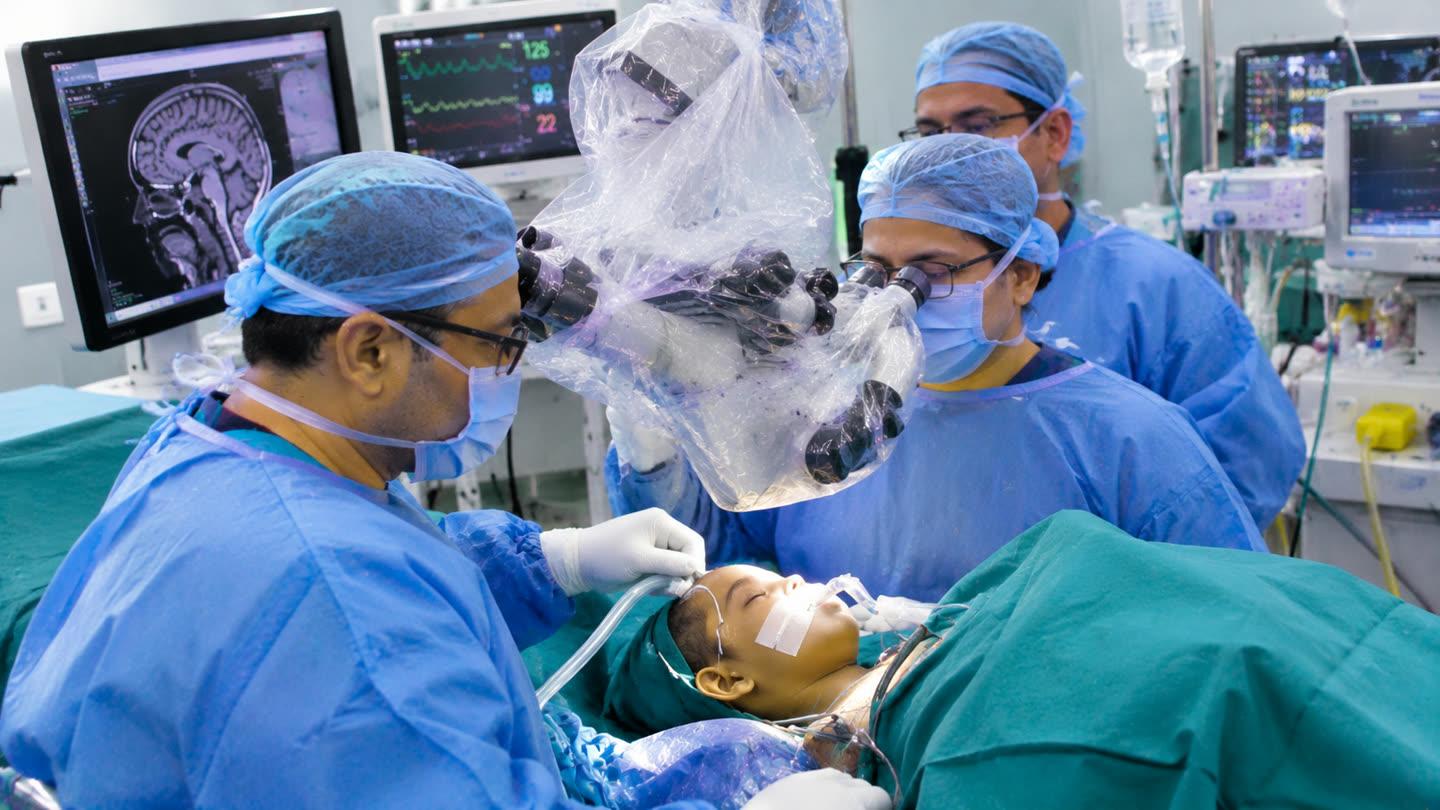
Pediatric Neurosurgery
ExploreExplore Procedure Details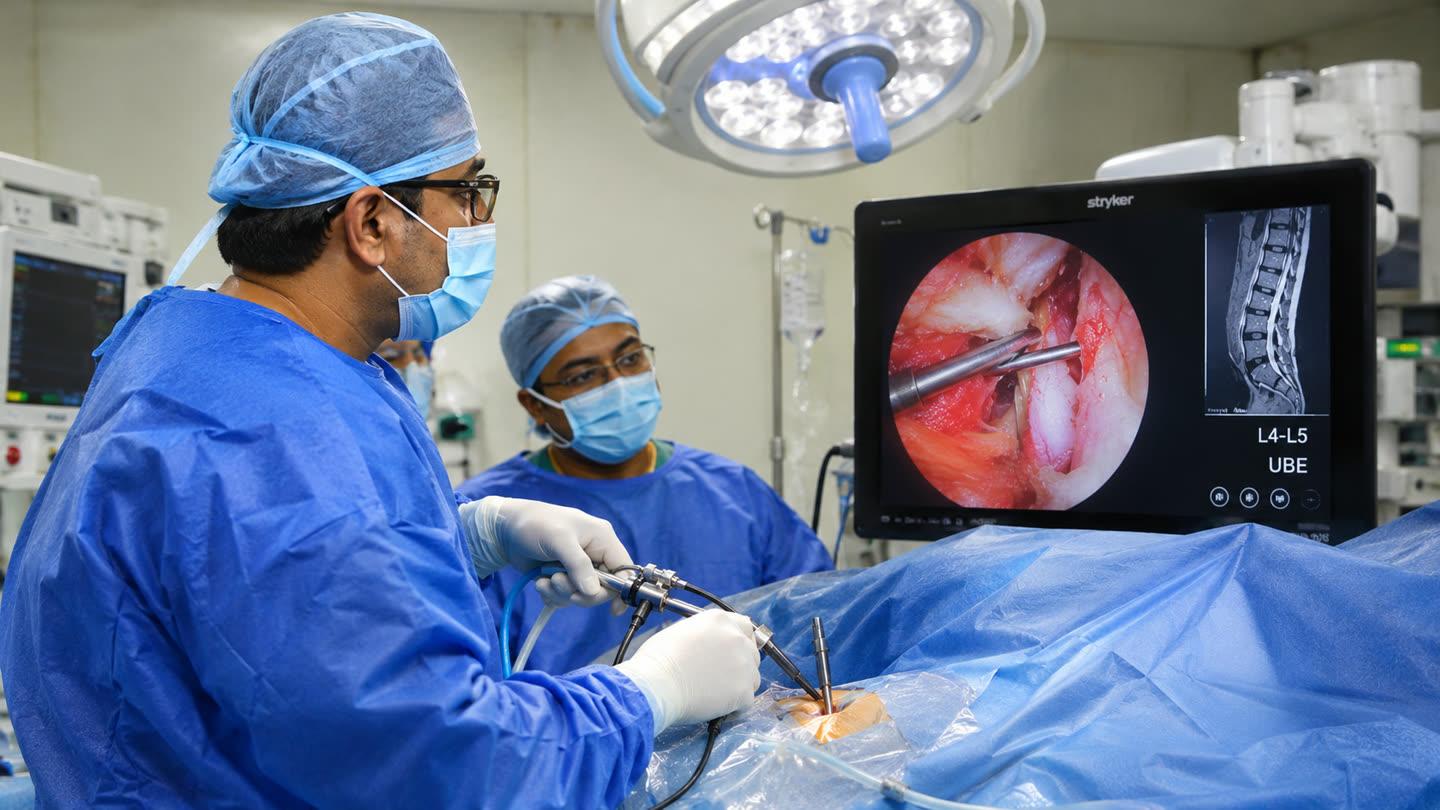
Slipped Disc Surgery
ExploreExplore Procedure Details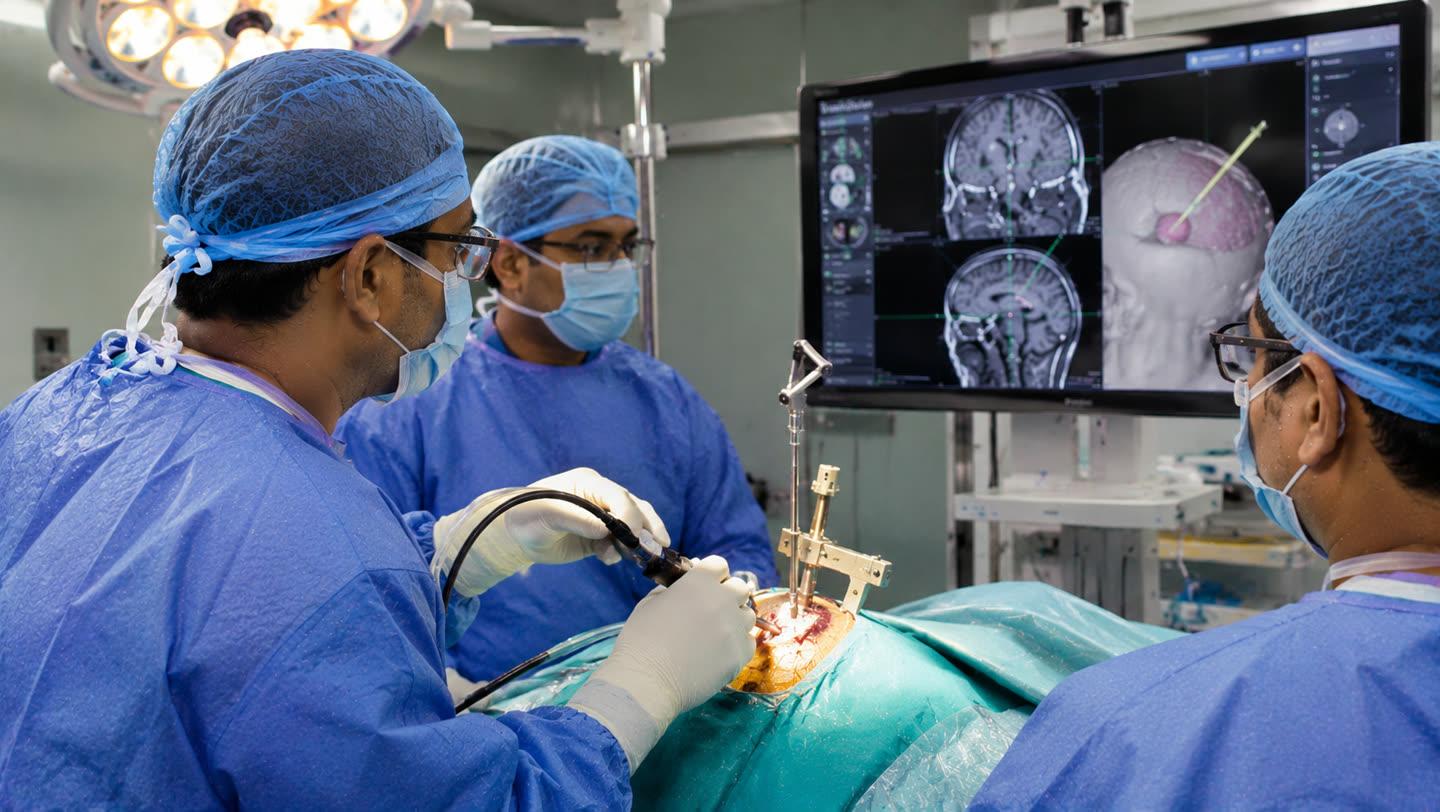
Minimally Invasive Brain Surgery
ExploreExplore Procedure Details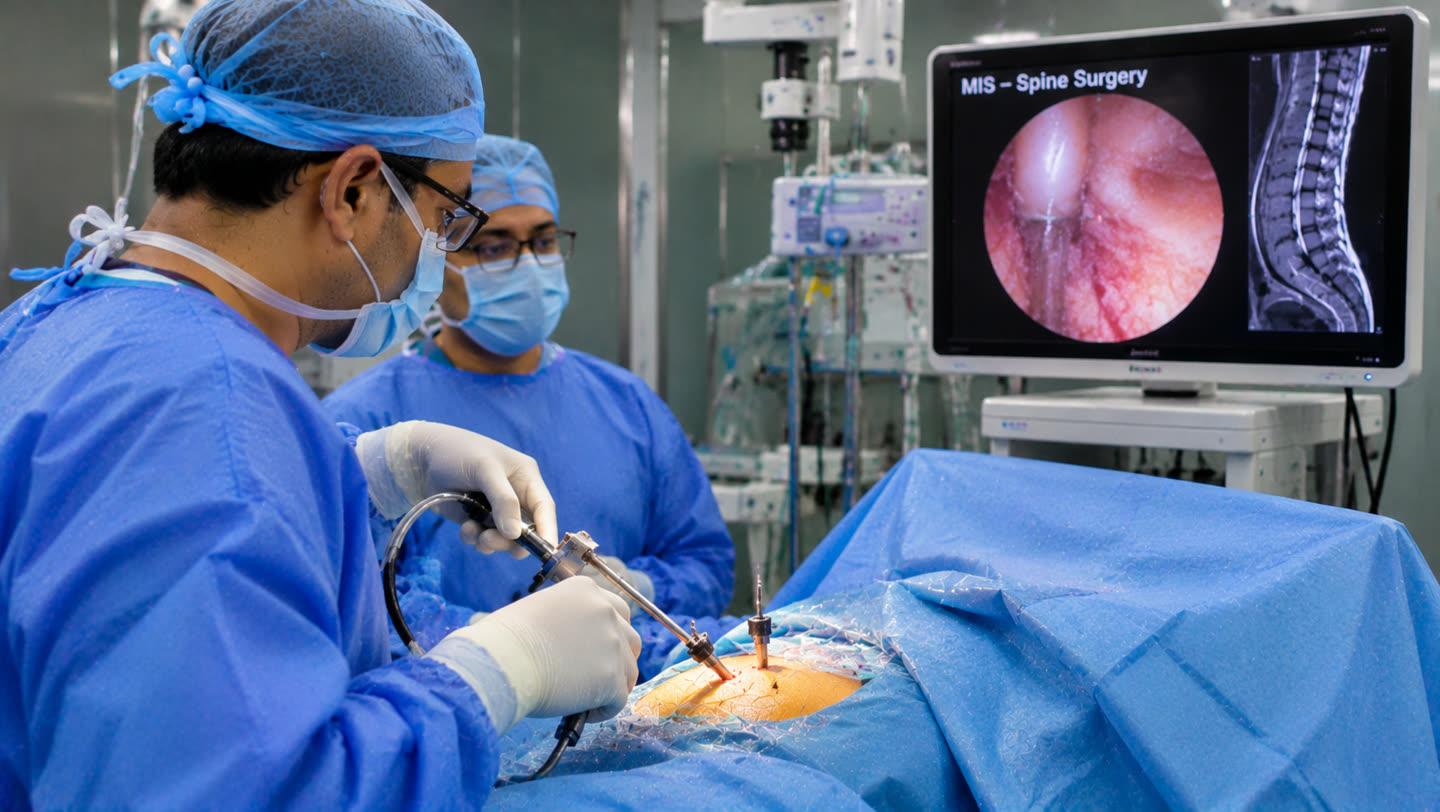
MIS (Spine Surgery)
ExploreExplore Procedure Details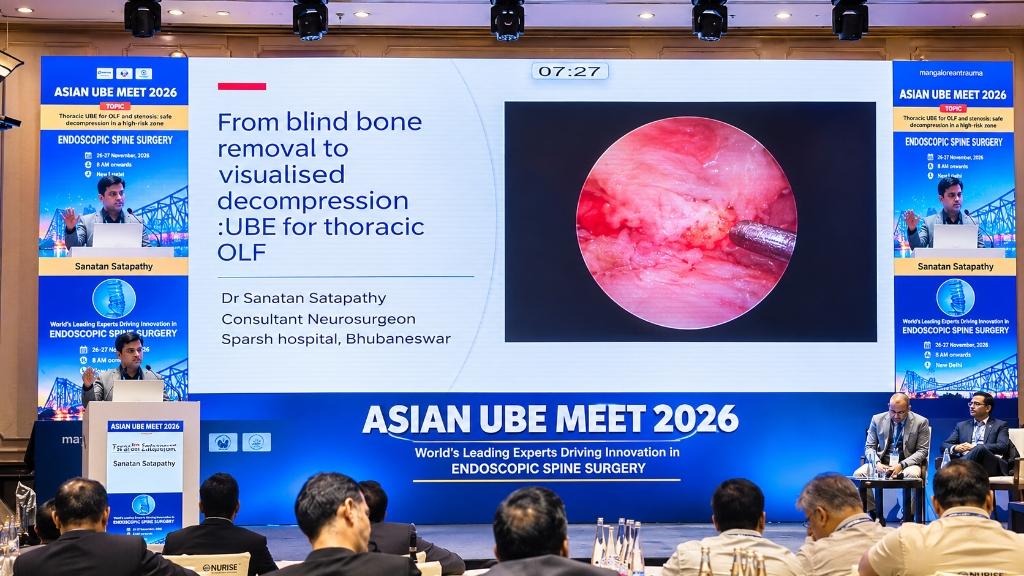
Teaching & Presenting at National & International Conferences
AchievementsView Academic AchievementsNeed Clinical Guidance on a Specific Brain or Spine Condition?
Dr. Sanatan Satapathy conducts detailed clinical evaluations and second-opinion consultations at MAX Super Speciality Hospital (Formerly Kalinga Hospital), Chandrasekharpur, Bhubaneswar.
Specialized Surgical Expertise.
Dr. Sanatan Satapathy brings dedicated super-speciality training and advanced surgical instrumentation to four core pillars of brain and spine surgery in Bhubaneswar.
IllustrationTargeted Disc Decompression
Muscle-Preserving Endoscopic Corridors
Endoscopic Spine Surgery
Sub-Centimeter Keyhole Discectomy & Canal Decompression
Full-endoscopic spine surgery represents a major leap over traditional open laminectomy. Utilizing a dedicated ultra-thin rigid endoscope with built-in high-definition optics and saline irrigation channels, Dr. Sanatan Satapathy enters directly through natural anatomical spaces without cutting, stripping, or burning vital back muscles.
Interlaminar Endoscopy
Natural window between vertebrae for central slipped discs at L4-L5 & L5-S1.
Transforaminal Endoscopy
Direct lateral entry through the neural foramen, feasible even under local anesthesia.
Stitchless Band-Aid Dressing
Tiny incisions close naturally without staples or external suture removals.
Zero Paraspinal Atrophy
Preserves the lumbar muscular corset, eliminating long-term post-laminectomy back pain.
Unilateral Biportal Endoscopy (UBE)
Dual-Portal Freedom, 4K High-Definition Magnification & Zero Muscle Trauma
UBE is currently heralded worldwide as the most advanced evolution in minimally invasive spine decompression. By separating the optical viewing channel from the working surgical corridor through two miniature (5–8 mm) portals, the surgeon gains unrestricted degrees of freedom, broad stereoscopic depth, and 360-degree canal clearance identical to open surgery—without any open incision trauma.
Dedicated Viewing Portal
Houses high-resolution 4K optical endoscope with continuous pressurized sterile saline irrigation that washes away microscopic bleeding and keeps optics spotless.
Independent Working Portal
Accommodates precision micro-instruments, high-speed drills, and radiofrequency plasma wands without angle collision or optical restriction.
Clinical Advantages of UBE Over Traditional Surgery:
IllustrationAdvanced 4K Visualization
Stereoscopic Dual-Portal Spine Tower
IllustrationKeyhole Cranial Corridors
Concealed Incisions & Brain Protection
Intraoperative Protection Suite
• Continuous IONM: Real-time mapping of speech, motor, and cranial nerves
• CUSA (Ultrasonic Aspiration): Tumor debulking without traction on brain tissue
• Optical Infrared Tracking: Sub-millimeter accuracy for intracranial lesions
Minimally Invasive Brain Surgery
Keyhole Craniotomy, Neuro-Endoscopy & Functional Preservation
Modern cranial neurosurgery has transitioned from extensive open skull incisions to targeted keyhole microsurgical corridors. Using high-definition operating microscopes, 4K neuro-endoscopes, and real-time infrared neuronavigation, Dr. Satapathy reaches deep intracranial lesions with minimal brain retraction, preserving normal neurological cognition and motor eloquence.
Supraorbital "Eyebrow" Keyhole Approach
Small incision hidden entirely inside the natural eyebrow arch. Accesses frontal lobe tumors, meningiomas, and anterior circulation aneurysms with no visible facial scar.
Endoscopic Endonasal Approach (EEA)
Surgical access to pituitary adenomas and central skull base lesions through the natural nostril corridor, leaving zero external incision on the skull.
Tubular Retractor Port Surgery
Cylindrical transparent ports that gently dilate subcortical white matter fibers along natural cleavage lines, enabling deep ventricular and hemorrhage clearance safely.
Complex Spine Surgery & Instrumentation
Spinal Deformity, Cervical Myelopathy, Cord Tumors & Trauma Reconstruction
When structural spinal compromise demands more than simple nerve decompression, complex reconstructive spine surgery restores spinal stability, re-aligns lordosis, and eliminates neurological deficit. Dr. Satapathy pairs high-magnification microsurgical neural release with precision 3D screw instrumentation, maintaining structural stability without compromising spinal mobility where possible.
Cervical Myelopathy & ACDF
Anterior Cervical Discectomy & Fusion to reverse spinal cord compression, restoring hand balance and gait.
MIS-TLIF Fusion
Minimally invasive transforaminal interbody fusion with percutaneous screws for spondylolisthesis and instability.
Spinal Cord Tumor Microsurgery
Microsurgical enucleation of intradural schwannomas, meningiomas, and ependymomas under real-time D-wave monitoring.
Spine Trauma & Fractures
Percutaneous pedicle screw fixation for burst fractures and unstable post-accident spinal trauma.
IllustrationMicrosurgical Precision
Neuromonitored Spinal Reconstruction
Operative strategy is calibrated strictly to neurological recovery, pain eradication, and long-term mechanical stability.
Understanding the Conditions We Treat.
Clear, medically responsible information on symptoms, diagnostics, and modern surgical versus conservative pathways.
Brain Tumour
An abnormal growth of cellular tissue within the rigid cranial vault, requiring precise neurosurgical evaluation, imaging assessment, and individualized care.
Key Signs:
- •New, persistent headaches that are characteristically worse upon waking in the morning or during coughing and straining
- •Unexplained nausea, projectile vomiting, or sudden visual disturbances (blurring, papilledema, double vision)
Slipped Disc
Displacement of the soft central nucleus pulposus through a weakened fibrous outer ring, producing painful compression of nearby spinal nerve roots.
Key Signs:
- •Sharp, shooting, or electric-shock pain radiating from the lower back through the buttock and down the leg below the knee (sciatica)
- •Numbness, tingling, or 'pins-and-needles' paresthesia following specific dermatomal nerve paths (L4, L5, or S1)
Spinal Stenosis
Progressive narrowing of the central spinal canal or neural exit openings, crowding nerve roots and creating leg cramping during walking.
Key Signs:
- •Neurogenic Claudication: Cramping, heaviness, tightness, or burning discomfort in thighs, calves, and buttocks after walking short distances
- •The 'Shopping Cart Sign': Rapid relief of symptoms when bending forward, sitting, or leaning on a shopping trolley (which mechanically widens the canal)
Cervical Disc Disease
Age or posture-related wear of discs in the neck, causing pain radiating into the shoulder and arm or dangerous spinal cord compression.
Key Signs:
- •Sharp, burning, or aching pain radiating from the neck across the shoulder blade and down the arm into specific fingers
- •Numbness, tingling, or diminished sensation in the thumb, index, or pinky fingers depending on the pinched root level (C5, C6, C7, C8)
Head Injury & Neurotrauma
Trauma to the scalp, skull, or brain tissue from vehicular accidents, falls, or blunt impact, necessitating immediate triage and specialist neurosurgical management.
Key Signs:
- •Loss of consciousness, whether momentary or prolonged, following head impact
- •Repeated episodes of vomiting, worsening headache, or progressive lethargy and drowsiness
Nerve Compression
Physical constriction or impingement of peripheral nerves or spinal roots, producing pain, sensory disturbance, and muscle weakness along the nerve pathway.
Key Signs:
- •Lancinating, electric shock-like, or burning pain traveling precisely along an anatomical nerve pathway
- •Persistent numbness, pins-and-needles paresthesia, or loss of sensation in specific fingers, toes, or facial dermatomes
Care That Begins with Understanding.
Neurosurgical practice requires an uncompromising commitment to diagnostic precision, ethical restraint, and compassionate patient communication.
Detailed Evaluation
Scans corroborate symptoms, not vice versa.
Every consultation dedicates rigorous time to listening to the patient's lived experience, mapping physical dermatomes, and conducting hands-on neurological reflex tests. Scans are interpreted in direct relation to how your symptoms manifest.
Individualized Treatment Planning
No cookie-cutter algorithms.
Whether a patient requires structured physiotherapy, nerve-root injections, or operative decompression depends strictly on clinical criteria, patient age, occupational demands, and progressive neurological status.
Modern Surgical Approaches
High-definition optics & tissue preservation.
When surgery is genuinely necessary, Dr. Satapathy implements high-precision microscopic and endoscopic corridors. Muscles are gently separated rather than severed, safeguarding spinal stability and normal anatomical architecture.
Clear Patient Communication
Demystifying complex neurosurgery.
We communicate in clear, honest, non-technical language. Patients and their families are fully informed about realistic post-operative expectations, genuine procedural risks, recovery milestones, and rehabilitation plans.
Education, Training & Professional Journey.
Grounded in rigorous surgical training at Eastern India's apex medical college and enriched through advanced super-speciality fellowships.
MCh in Neurosurgery
Completed intensive 3-year super-speciality neurosurgical residency handling emergency cranial decompressions, brain tumours, spinal trauma, and complex neurovascular surgeries.
MS in General Surgery
Rigorous clinical foundation in operative technique, trauma resuscitation, surgical critical care, and sterile procedural mastery.
MBBS
Completed fundamental medical curriculum recognized by the National Medical Commission (NMC), followed by intensive rotating clinical internship.
Microneurosurgery & Endoscopic Spine Fellowships
Advanced fellowship training in high-precision microvascular dissection, transsphenoidal skull base corridors, and full-endoscopic spine surgery.
Lead Neurosurgeon & Spine Care Specialist
Leading cranial and complex spinal surgery programs, establishing dedicated spine OPD clinics, and training surgical teams in Odisha.
Professional Memberships & Affiliations
Professional Recognition.
Recognizing dedication to super-speciality neurosurgical standards, patient outcomes, and advancing endoscopic spine access in Odisha.

Excellence in Neurosurgery & Spine Surgery
Times Health ICON Award 2024
Times of India Group Regional Healthcare Awards
Awarded in recognition of Dr. Sanatan Satapathy's clinical expertise, commitment to minimally invasive and endoscopic spine approaches, and ongoing dedication to delivering patient-centric neurosurgical care across Eastern India.
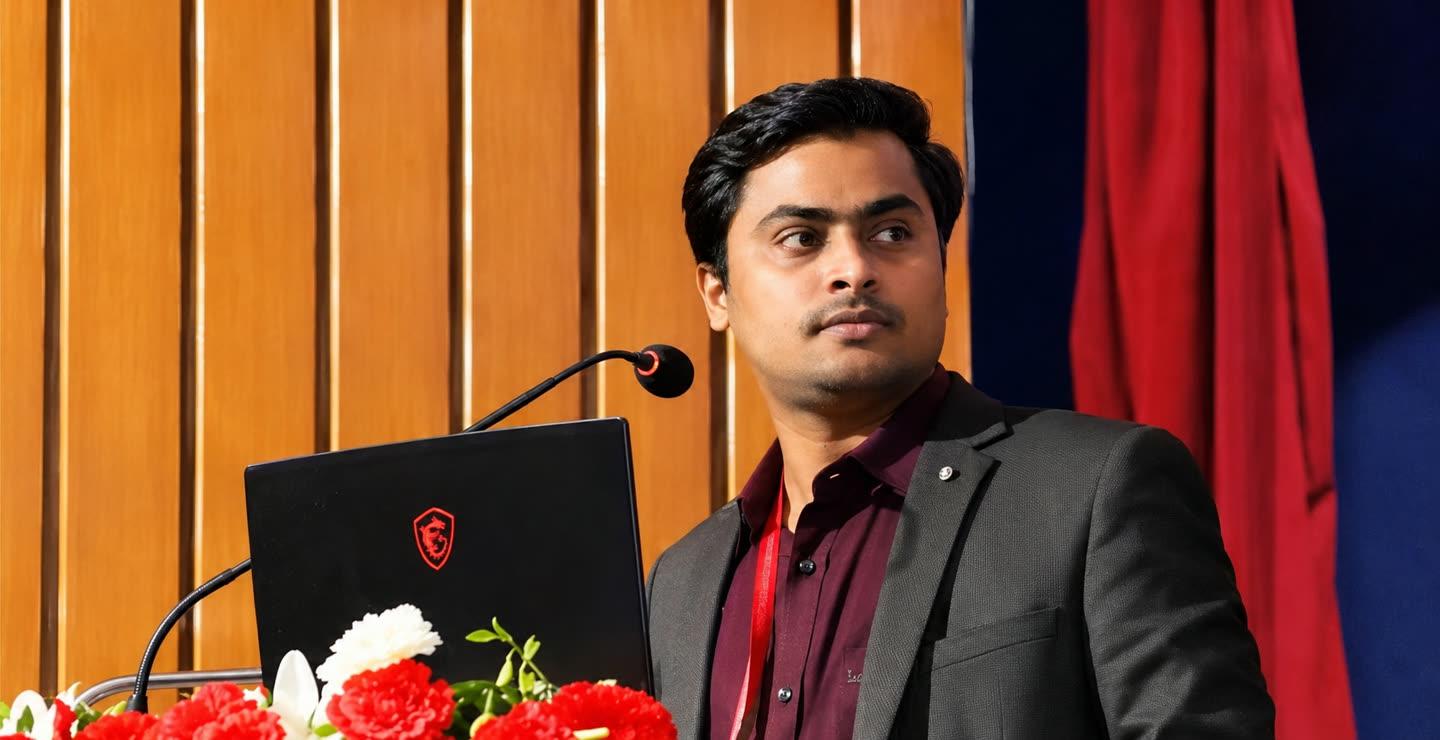
Scientific Lectures & Case Discussions
Active guest faculty at national and state neurosurgical conferences. Dr. Sanatan Satapathy regularly presents paper series and operative protocols covering minimally invasive endoscopic spine approaches, complex cranial tumor excisions, and neurotrauma protocols.
Where to Find Us.
Consultations and surgical procedures conducted at leading tertiary healthcare infrastructure in Bhubaneswar, Odisha.

MAX Super Speciality Hospital (Formerly Kalinga Hospital)
Senior Consultant Neurosurgeon & Spine Surgeon
Primary Hospital Affiliation & Super Speciality Surgical Center
Nalco Square, Chandrasekharpur, Bhubaneswar, Odisha 751023
Landmark: Nalco Square, Opposite Fortune Towers / Chandrasekharpur Main Road
Monday – Saturday: 9:00 AM – 5:00 PM
+91 95569 64634
Center Infrastructure:
- Modular Advanced Neurosurgery Operating Theatres
- High-Precision Operating Microscope & Endoscopic Spine Tower
- Dedicated 24/7 Neuro-Intensive Care Unit (NICU)
- Comprehensive Neuro-Radiology: 1.5T/3T MRI & High-Speed CT

Specialist OPD & Consultation Clinic
Senior Neuro & Spine Care Specialist
Private Outpatient & Scan Review Clinic
Plot 626, Maharishi College Road, Saheed Nagar, Bhubaneswar, Odisha 751007
Evening Consultation: 6:00 PM – 8:30 PM (By Prior Appointment)
+91 95569 64634
Patients traveling from outside Bhubaneswar (Cuttack, Puri, Berhampur, Angul, Balasore, Rourkela) are encouraged to pre-book consultation slots to minimize waiting times.
Care Rooted in Trust, Clarity & Real Outcomes.
A neurological or spinal diagnosis can feel daunting. We believe lasting patient trust is earned through ethical restraint, jargon-free medical explanations, written guides, and genuine patient recovery stories.
R. K. Mohapatra
Diagnosis:
Severe Lumbar Slipped Disc (L4-L5) with Sciatica
Approach: Full-Endoscopic Spine Decompression (UBE)
“I had been suffering from excruciating pain shooting down my left leg for four months. Walking even 20 paces felt like electric shocks. After reviewing my MRI, Dr. Sanatan Satapathy showed me the exact disc fragment pinching the nerve and explained how it could be extracted through a 7 mm keyhole. The morning after surgery, the shooting leg pain was 100% gone. I walked out of the hospital with just a small band-aid dressing.”
Strict Ethical Clinical Policy
Patient experiences reflect individual clinical recoveries. We do not invent testimonials or guarantee surgical outcomes.
Ethical Neurosurgery Standards
Our 4 Pillars of Patient Trust.
Over 85% of consultations are successfully managed non-operatively through medical and physical rehabilitation.
Honest, jargon-free explanations of real procedure benefits, realistic recovery times, and genuine risks.
Sub-centimeter incisions (<8 mm) utilizing 4K endoscopic optics and real-time infrared neuronavigation.
Direct post-operative coordination, structured physiotherapy guidelines, and long-term spine health education.
Frequently Asked Questions.
Practical answers to common concerns about neurosurgical procedures, spine disorders, and consultation protocols.
1What is the key difference between a neurologist and a neurosurgeon?
Both specialize in disorders of the brain, spinal cord, and nervous system. A neurologist diagnoses and treats conditions medically (such as epilepsy, strokes, Parkinson's disease, or migraines) using medications. A neurosurgeon provides both surgical interventions (e.g., removing brain tumors, performing endoscopic spine decompressions, clipping aneurysms) and comprehensive non-surgical care when surgery is not needed.
2When should I consult a neurosurgeon?
You should seek a neurosurgical evaluation if you experience persistent pain radiating down the arm or leg (sciatica), progressive numbness or muscle weakness, severe headaches accompanied by vomiting or vision changes, balance instability, walking difficulty, or if prior scans show a spinal disc prolapse, stenosis, or cranial lesion.
3What is endoscopic spine surgery and how does it work?
Endoscopic spine surgery is an ultra-minimally invasive surgical technique where the surgeon operates through an incision of less than 1 centimeter using a slender, high-definition camera probe (endoscope). High-magnification optics allow direct visualization and removal of the compressing disc fragment or bone spur while leaving supporting back muscles and ligaments intact.
4What are the common symptoms of a slipped disc?
Common symptoms include sharp or burning pain radiating into the buttock, thigh, and calf (sciatica), tingling or numbness in the toes or fingers, muscle weakness in the foot or hand, and low back or neck stiffness that worsens when sitting, bending, or coughing.
5Does every slipped disc require surgery?
No. Approximately 85% to 90% of slipped discs heal successfully with non-operative management, including anti-inflammatory medications, short rest, specialized physiotherapy, core strengthening, and ergonomic corrections. Surgery is recommended only if severe pain persists despite medical therapy, or if there is progressive nerve damage or loss of bladder/bowel control.
6What is minimally invasive spine surgery (MISS)?
Minimally invasive spine surgery uses narrow tubular retractors and radiographic guidance to access the spine by gently parting muscle fibers instead of stripping them off the bone. This leads to significantly reduced blood loss, less post-operative muscle soreness, shorter hospital stays, and quicker return to normal life.
7How can I book an appointment with Dr. Sanatan Satapathy?
You can book an appointment through the online consultation request form on this website, call our OPD desk at +91 95569 64634, or message via WhatsApp. Appointments are coordinated according to hospital OPD clinic timings in Bhubaneswar.
8What medical reports should I bring to my consultation?
Please bring all prior MRI films and report discs (not just paper summaries), CT scans, plain X-rays, recent blood investigations, a list of current medications, and any previous discharge summaries or treatment records. Having original imaging films is crucial for accurate surgical planning.
9How is Dr. Sanatan Satapathy’s name spelled?
The official spelling is Dr. Sanatan Satapathy. If you searched for “Dr. Sonatan Sarkpati,” use “Dr. Sanatan Satapathy, Bhubaneswar” to find his neurosurgery and spine practice.
Have a question specific to your scans or diagnosed condition? Reach out to our clinical desk directly.
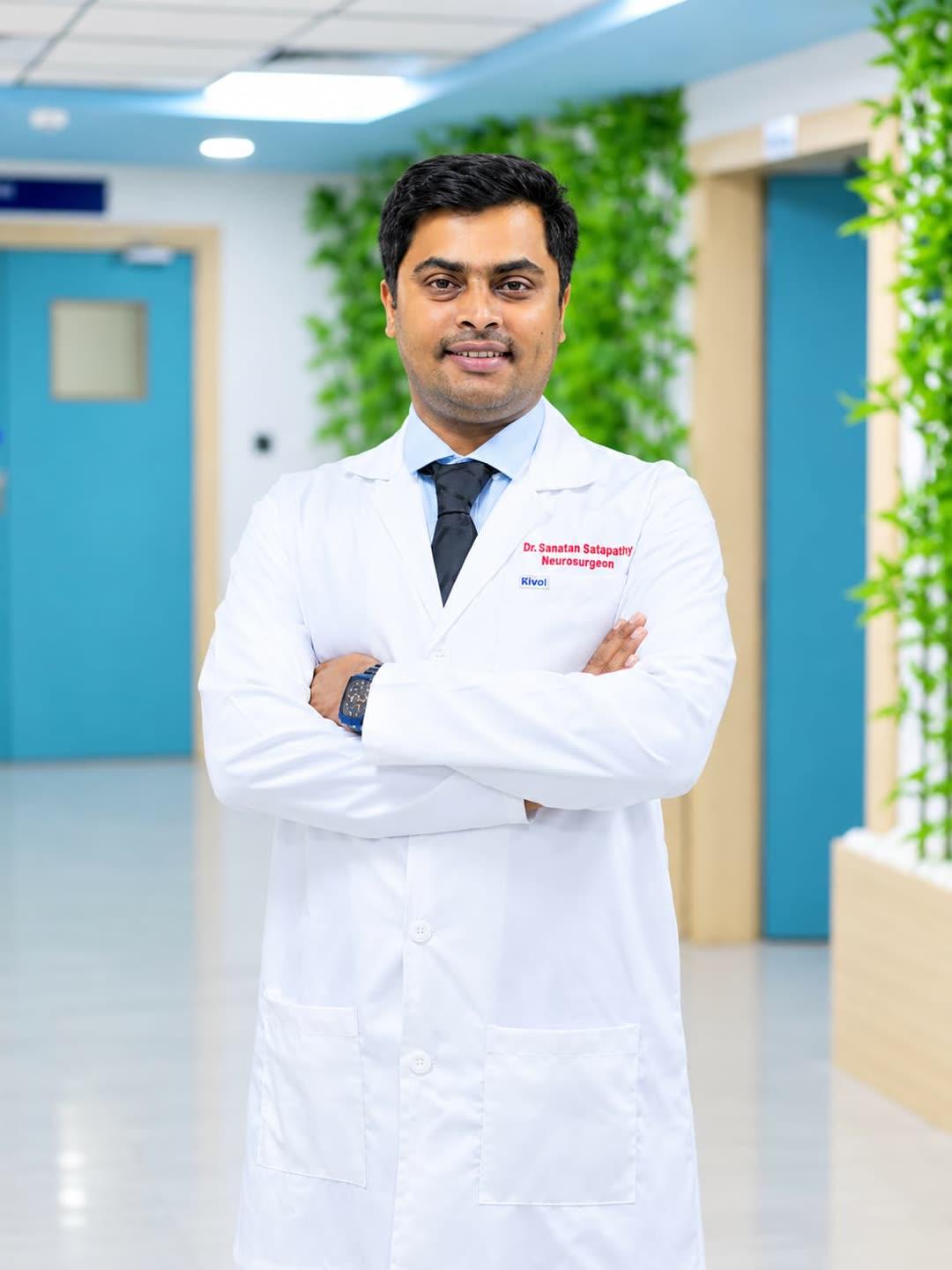
Your Journey Towards Better Neurological Care Starts Here.
Schedule a consultation to discuss your symptoms, concerns and available treatment options with Dr. Sanatan Satapathy.